What Is a Lab Vacuum Oven and How Does It Solve Common Lab Drying Problems?
If the goal is to dry samples faster, at lower temperatures, and with fewer defects (oxidation, bubbles, cracking, residue), a lab vacuum oven is usually the simplest upgrade. I work with vacuum drying equipment and help labs pick the right oven size, temperature range, and vacuum level so results are repeatable—not “trial and error.”
Why vacuum drying matters (in plain English)
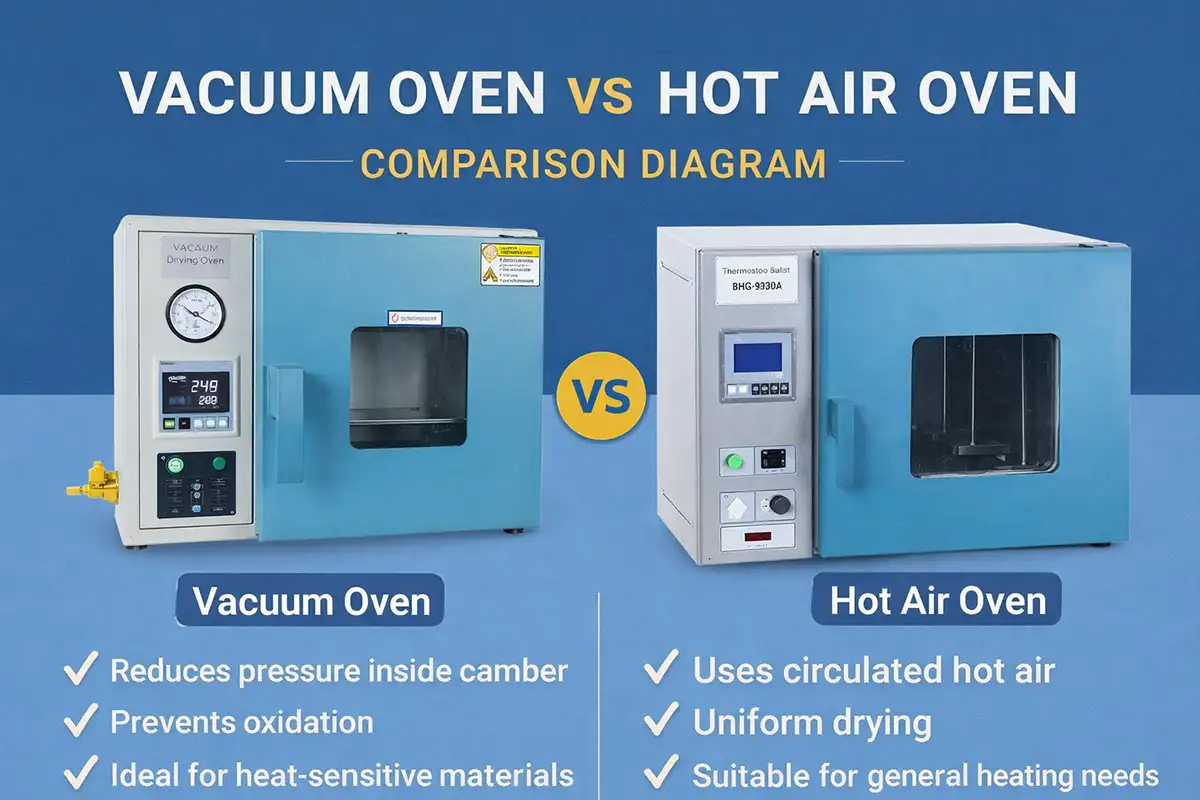
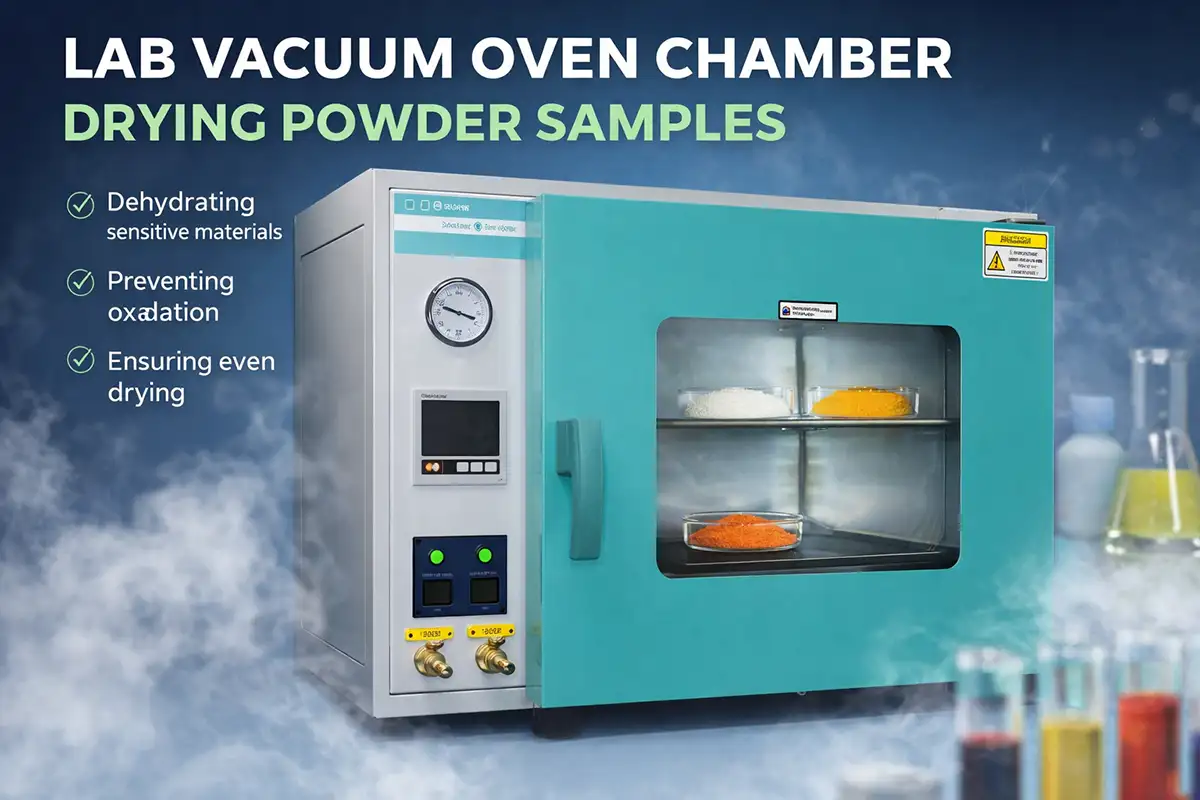
A vacuum oven removes air from the chamber, which lowers the boiling point of solvents and water. That means drying can happen at a lower temperature than in a normal hot-air oven. For heat-sensitive samples—polymers, electronic components, powders, botanical extracts, or solvent-cast films—this reduces the risk of thermal damage, discoloration, and oxidation.
What specs should matter most?
1) Vacuum level (how “deep” the vacuum goes)
Many buyers focus only on temperature, but vacuum level is the real driver of low-temperature drying. In our DZF series, the max vacuum degree is 0.098 MPa (near-full vacuum on typical gauges). Practically, that helps volatile solvents and moisture leave the sample at lower temperatures, which often means less warping, fewer bubbles, and better surface quality.
Tip: performance still depends on pump, seals, loading method, and whether the door is opened frequently.
2) Temperature range and usable working conditions
For general lab work, RT+10 to 200°C covers most drying, degassing, and mild heat-treatment tasks.
Also notice the recommended working temperature range of +5 to +40°C for the environment,
which helps maintain stable control and protects electronics.
3) Chamber material and cleanliness
The DZF models listed use 304 stainless steel liners, a common choice in labs because it is corrosion-resistant, easier to wipe down, and more suitable for many solvents than painted interiors. That matters when drying sticky resins, corrosive residues, or materials where cross-contamination is a concern.
4) Timer and repeatability
A wide time range helps build standard operating procedures. These models support 1–9999 minutes, which is useful for overnight runs and repeatable QA steps.
Which lab vacuum oven size fits real lab workloads?
Below is a simple capacity guide based on the supplied model parameters. Use it to shortlist quickly, then choose based on sample footprint and throughput.
| Model | Chamber (L) | Temp. Range | Max Vacuum Degree | Input Power | Inner Size (mm) | Shelves |
|---|---|---|---|---|---|---|
| DZF-6010 | 8 | RT+10–200°C | 0.098 MPa | 400 W | 200×200×200 | 1 |
| DZF-6020 | 25 | RT+10–200°C | 0.098 MPa | 800 W | 300×280×300 | 1 |
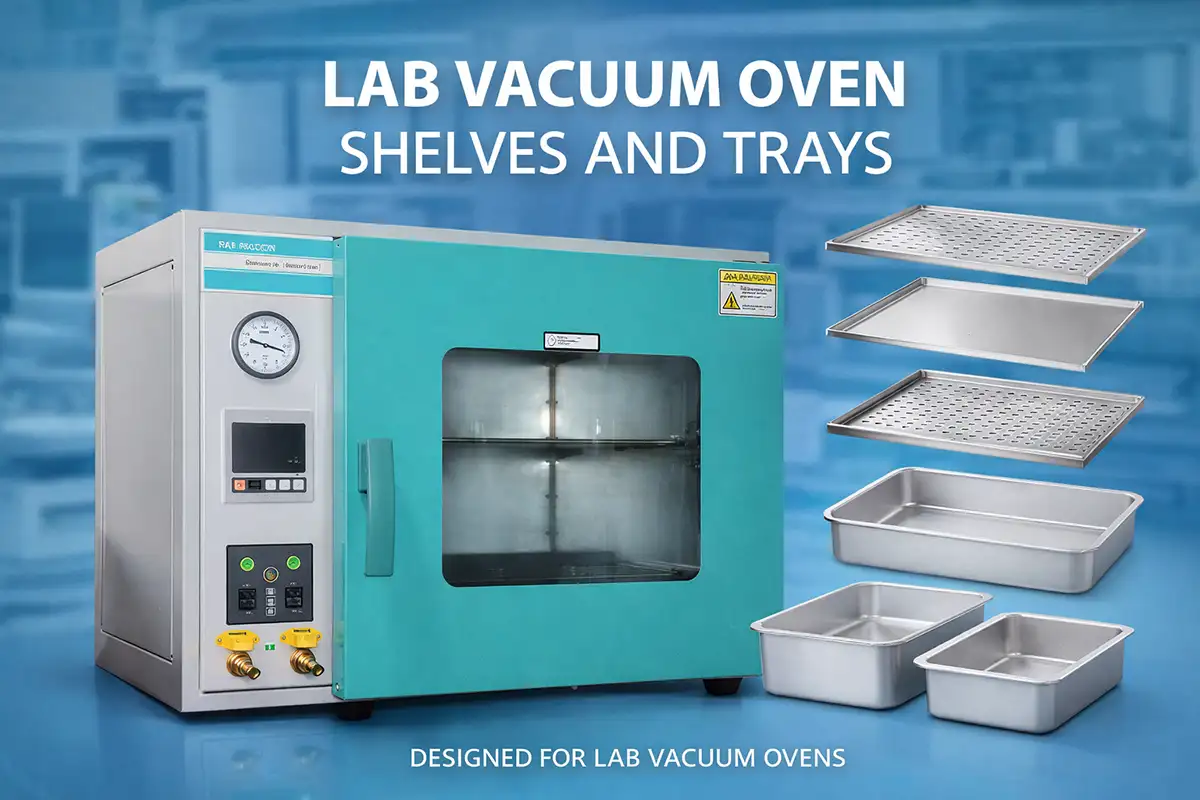
| DZF-6050 | 55 | RT+10–200°C | 0.098 MPa | 1400 W | 400×400×345 | 2 |
| DZF-6090 | 91 | RT+10–200°C | 0.098 MPa | 2400 W | 450×450×450 | 2 |
| DZF-6210 | 215 | RT+10–200°C | 0.098 MPa | 2060 W | 560×600×640 | 3 |
| DZF-6500 | 430 | RT+10–200°C | 0.098 MPa | 2800 W | 630×810×845 | 4 |
Practical selection shortcuts
Small R&D batches / limited bench space: 8–25 L is usually enough.
Routine lab drying for multiple samples per run: 55–91 L often balances throughput and footprint.
Pilot-scale or multi-shelf processing: 215–430 L supports higher volume and better workflow batching.
Internal links (model pages)
For quick spec-checks and product details, these pages match common search intent:
DZF-6010 benchtop lab vacuum oven(8 L, compact bench-friendly)
DZF-6020 laboratory vacuum oven(25 L, general lab capacity)
DZF-6050 explosion-proof vacuum oven option(55 L, higher throughput with safety option)
Common use cases (and what problems they fix)
Drying heat-sensitive materials
Vacuum drying is often chosen when elevated temperatures cause degradation. Lower boiling points under vacuum allow drying at gentler temperatures, helping maintain product integrity (color, strength, volatile components).
Degassing and solvent removal
For resins, adhesives, and coatings, trapped bubbles or residual solvent can ruin repeatability. A lab vacuum oven provides a controlled environment to drive off volatiles more effectively than air drying.